
Pest Control Solutions for Bees & Wasps in Canberra
Canberra hosts a variety of bee and wasp species, featuring the renowned European honey bee (Apis mellifera) and the European wasp (Vespula germanica). While Canberra’s bees are generally non-threatening, the same cannot be said for its wasps. Pest Control in Canberra, a premier provider of pest control services, is well-equipped to swiftly and effectively address issues with bees and troublesome wasps.
Problematic Bees & Wasps in Canberra
Bees
Bees are generally not considered pests due to their crucial role in pollinating native plants. If there’s a bee nest near your home causing no issues, it’s advisable to leave it undisturbed. A nest situated within your home, typically in a wall or roof cavity, can often be relocated by a registered beekeeper. In cases where relocation isn’t feasible, pest control becomes the necessary option.
European Wasp
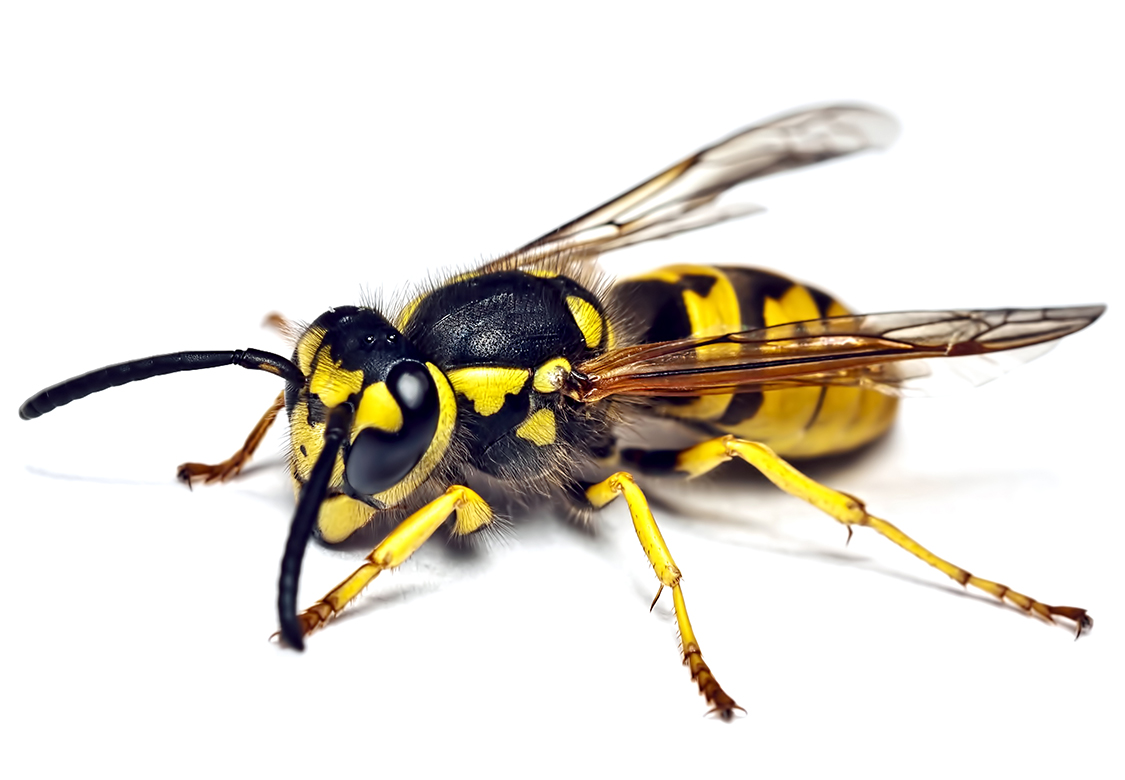
The European wasp (Vespula germanica) is an introduced species that drew the attention of Australian entomologists in 1959. Unlike bees, European wasps, known for their repeated stinging ability, become more aggressive, prompting calls to pest controllers in Canberra during the summer months as nests grow in size.
European wasps are known to be more confrontational than bees and may attack humans if their nests are disturbed. Breeding heavily in late spring and early summer in Canberra, they create large communal nests in various locations, including the ground, roof cavities, and walls. Their attraction to pet meat and sugary foods and drinks adds to the concern.
Common Paper Wasp
The common paper wasp (Polistes humilis), smaller and less aggressive than the European wasp, still packs a potent sting. Similar to the European wasp, paper wasps begin breeding in spring and conclude in early autumn. They typically build small nests in wall cavities, on fences, and under house eaves. Their diet includes fruit pulp, nectar, and various insects.
Asian Paper Wasp
The Asian paper wasp (Polistes chinensis), a recently introduced larger and more colorful species than the common paper wasp, exhibits unique behavior. Occasionally engaging in cannibalism when food is scarce, this wasp is established in Australia, with habits and diet similar to the common paper wasp.
Yellow Jacket (Social Wasp)
The social wasp (Vespula spp.), also known as the yellow jacket, resembles the European wasp but features black dots on its face. Breeding in spring, these wasps construct nests in wall and roof cavities, under eaves, porches, and floors. While starting with an insect-based diet, a colony transitions to sweeter foods over the summer.
For further details on wasp and bee pest control services in Canberra, contact the knowledgeable team at Pest Control in Canberra by dialing 1300 022 122.